
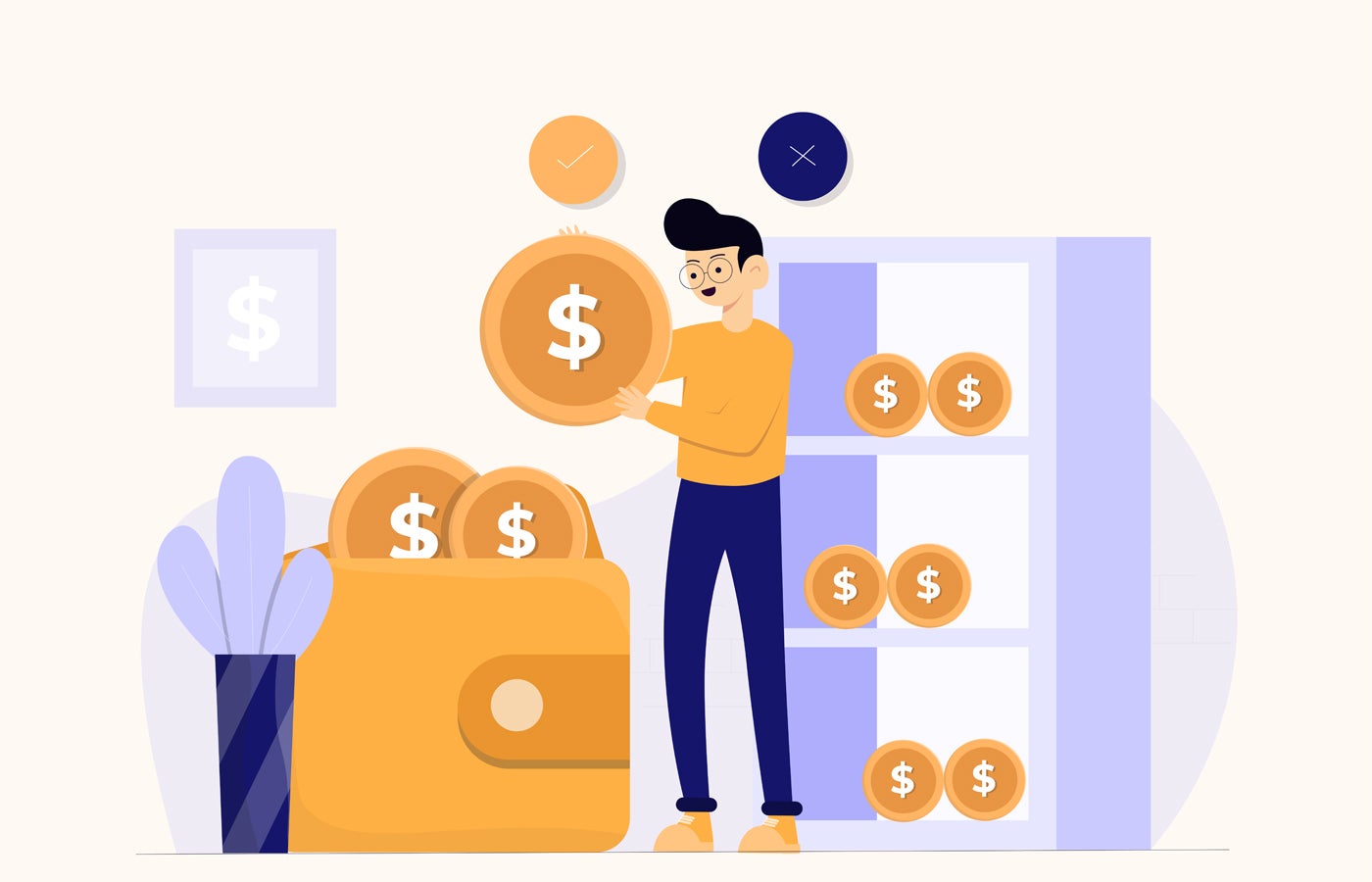

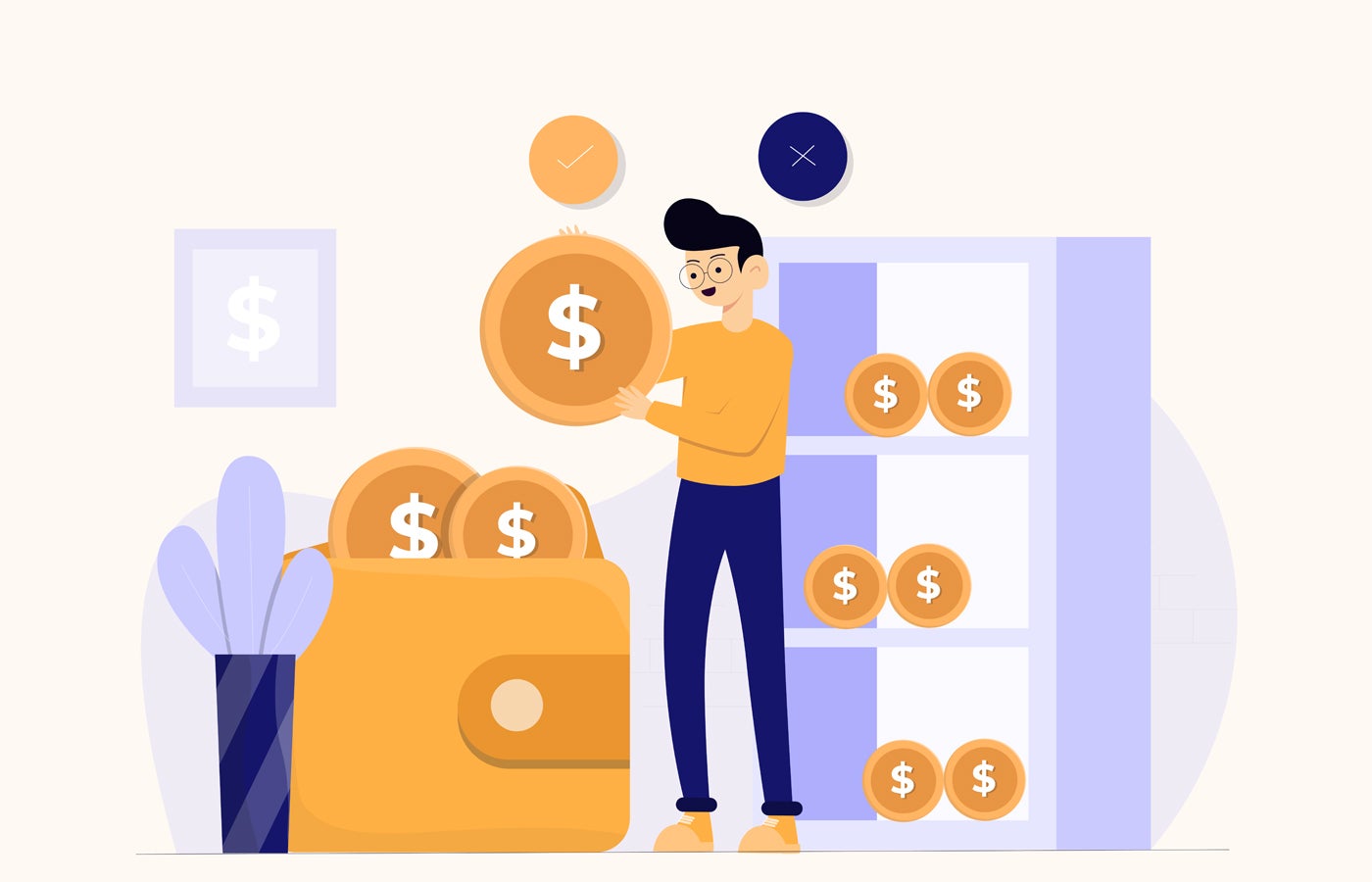
Gone are the days of the leather wallet and chunky billfold. Instead, people are turning to digital wallets: mobile phone-, tablet- and smartwatch-based tools that securely store payment details and other information. This technology is used to make payments in a more secure fashion than traditional credit card swipes and cash.
But there are other benefits too, especially for small business owners. Let’s dive into what digital wallets are, how they work, and how they’re going to help your business up its payments game.
What is a digital wallet?
A digital wallet is a virtual tool that allows businesses and individuals to store and manage payment information electronically through a secure app that encrypts payment info. This safekeeping eliminates the need to carry physical bank cards. Anytime you need to pay someone, you simply tap your smartphone or device and the digital wallet handles the rest.
Patrocinado por TecnoArtesanos ¿Tu empresa ya está usando IA? Automatizamos procesos, integramos asistentes inteligentes y conectamos tus sistemas. Descubre cómo →These apps are all the rage. Capital One’s 2025 Digital Wallet Statistics research report found that as early as 2023, 53% of American shoppers relied on a digital wallet more than a traditional version. Worldwide, there are over 3.4 billion digital wallets in existence, which will swell to over 5 billion by 2026.
The benefits are mutual for consumers and small business owners. Digital wallets speed up transactions thanks to simplified checkout. They also avoid cumbersome cash transactions and reduce the risk of handling physical cards. These improvements can spawn increased revenue and happier customers.
It’s not all about the money, though. Digital wallets can also keep frequent flier points, loyalty cards, coupons, tickets, and personal identification documents close at hand.
SEE: What is a Cashless Society?
How do digital wallets work?
Digital wallets function by securely storing users’ payment information. A person must first create a wallet, and then enable it on their smartphone using an app. Apple Pay and Google Pay are two examples of popular digital wallets. Once an account is created, they add their payment source details to the platform by either entering the information or using the phone’s camera to scan all the relevant data straight into the app.
When a person makes a purchase, the wallet charges a person’s bank card or other source of funds. However, the merchant isn’t privy to private data. Instead, the wallet sends the money to the business, cloaking actual account numbers. This eye for security protects everyone involved and makes it hard for fraudsters to lift credit card numbers.
In-person payments via a digital wallet rely on near-field communication (NFC) to enable touchless transactions. For example, a customer can tap their smartphone to an NFC-enabled terminal to complete a purchase. Some wallets also generate one-time codes or use QR codes for added security.
|
Did you know? Digital wallets can also be used to pay for online purchases. Customers will just have to choose their digital wallet from the checkout options and either enter the transaction reference or scan a QR code displayed on the screen to complete the payment. Some are even more sophisticated and can be accessed outside of the app. For example, PayPal users can log on to their PayPal wallet from a web browser. |
Digital wallets typically support multiple funding sources, such as credit and debit cards, cryptocurrency, and bank accounts. These options grant users flexibility over how they pay. For example, if a customer forgets their billfold at home, they can still pull up their preferred credit card on their smartphone.
SEE: What is a Digital Payment?
Types of digital wallets
Let’s go over the three main types of digital wallets.
Closed wallets
Closed wallets are specific to a particular company or brand. They allow customers to make transactions only with the issuer of the wallet. For example, Amazon Pay is a closed wallet that enables customers to store funds and perform transactions primarily within the Amazon ecosystem. There is limited use outside this realm. Small businesses yearning to exact control over their customers’ transactions may offer closed wallets.
Semi-closed wallets
Semi-closed wallets enable users to transact with a select group of merchants accepting the wallet. An example is Paytm, which allows customers to pay online and offline merchants, provided they are authorized. This type of wallet is ideal for businesses operating within a specific network of partners.
Open wallets
Open wallets are the most versatile. They allow users to make payments across various platforms and stores, both online and in physical locations. Examples include Apple Pay, Google Wallet, and PayPal. This type is more conducive to small businesses because they reach a broader range of customers.
SEE: Top 6 Mobile Payment Methods to Consider
Pros and cons of digital wallet payments
Pros
- Convenience: Digital wallets eliminate the need to carry physical cards and remember PINs, making it more convenient for consumers.
- Easy to use: With the prevalence of smartphones and mobile apps, customers easily learn how to use digital wallets in their day to day transactions.
- Increased security: Encryption and one-time codes are used to secure transactions. Some providers support biometric verification like facial recognition.
- Contactless payments: A simple tap of the device or QR code scan is all that’s needed to transact, making it a breeze at checkout.
- Integrated loyalty programs: Many digital wallets house rewards programs, like frequent shopper points and virtual punchcards — which is a boon for small businesses trying to boost loyalty.
- Reduced costs: Enhanced security and faster checkout times are conducive to more satisfied customers and a better bottom line.
Cons
- Limited adoption: The tried-and-true swipe or cash transactions are still commonplace, but digital payments are growing by leaps and bounds.
- Dependence on technology: If the internet or cellular network coverage is spotty, some digital wallets won’t work. And, of course, a dead phone battery could mean the transaction itself is DOA.
- Startup costs: You’ll need to purchase NFC-enabled payment terminals or a QR code reader. You may also pay increased fees to accept some forms of payment common to digital wallets, like cryptocurrency.
- Security risks: Though digital wallets are secure, they aren’t immune to hacking. Data breaches or cyberattacks are always a threat, and phones can still get stolen.
FAQs
Are digital wallets safe?
Digital wallets are regarded as safer than traditional payment methods. They rely on bank-grade encryption and one-time tokens to keep personal data under wraps. Many people tack on biometric verification, like facial recognition, to further secure their digital wallets from unauthorized use. Criminals are also unable to easily skim details, unlike plastic credit cards.
Are there transaction limits for digital wallets?
Transaction limits vary depending on the digital wallet provider, the user’s bank, and the region. For example, some wallets may impose daily or monthly spending limits. Business owners should check the terms with each wallet provider they choose to accept. Additionally, certain industries or high-risk transactions may have stricter limits.
How many people use digital wallets?
Worldwide, there are over 3.4 billion wallets, which will swell to over 5 billion by 2026. Over 30% of global transactions involved a digital wallet in 2023.
What are the fees associated with digital wallets?
Digital wallet apps are free so customers do not need to pay extra fees to use digital wallets. For businesses working with a payment processor, adding a digital wallet payment method (contactless) can either cost the same as accepting in-person payments or differently depending on the wallet provider. For example, Square charges the same 2.6% + 15 cents for tap, chip, and contactless payments (including digital wallets).